
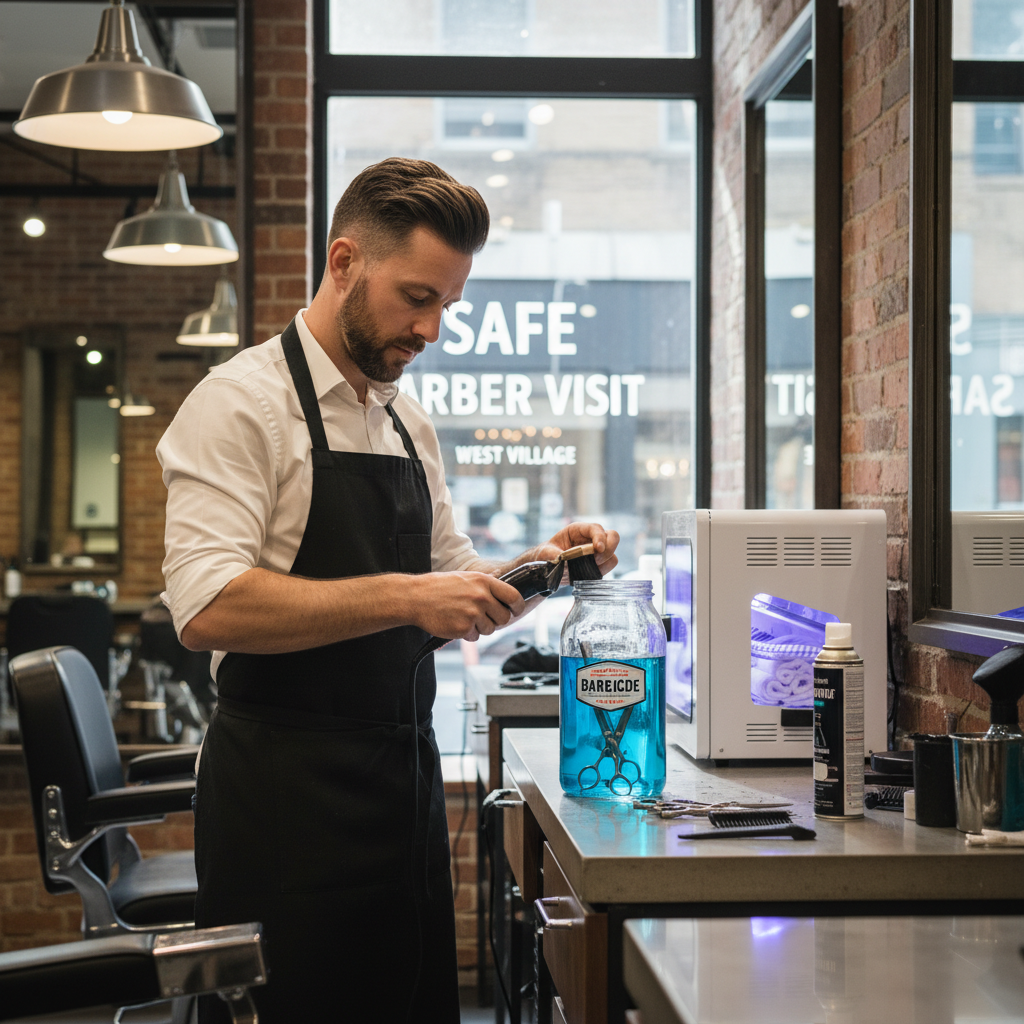
Visiting the barber is more than just a routine grooming appointment; it’s an experience that combines style, comfort, and trust. One critical factor that often goes unnoticed by clients is the cleanliness and hygiene of the barber’s tools. In today’s health-conscious environment, understanding how barbers clean and sanitize their tools is essential for anyone wanting a safe and enjoyable barber visit. Whether you’re heading to a clean barbershop NYC salon or seeking a safe barber visit West Village residents trust, hygiene standards barber professionals adhere to ensure your health is protected.
Barbers work with sharp instruments daily—scissors, razors, clippers—all of which come in direct contact with skin and hair, which means proper sanitation is not just good practice but a necessity. Poorly sanitized tools can spread bacteria, fungi, and viruses, potentially causing infections or skin irritations.
Many people don’t realize that infections like folliculitis, ringworm, or even more severe conditions can be transmitted through contaminated tools. That’s why barbers are trained to uphold strict hygiene standards barber shops must meet to protect both clients and themselves.
From my time working alongside barbers in different settings, I’ve seen firsthand how a clean barbershop NYC clientele appreciates the attention to sanitation. It builds trust and helps the business flourish.
Barber tool sterilization involves several key steps to ensure all equipment is free from pathogens. The three primary methods used are cleaning, disinfecting, and sterilizing.
Cleaning is the first and most crucial step. Barbers start by washing clips, scissors, combs, and razors using soap and warm water to remove hair, dirt, and skin oils. This process reduces the number of microbes and prepares tools for the next steps.
Ultrasonic cleaners are increasingly common in upscale shops as they use sound waves to dislodge particles from hard-to-reach surfaces, ensuring a thorough clean.
Disinfectants like barbicide are everyday staples in clean barbershop NYC locations. After cleaning, tools are soaked in disinfectant solutions that kill bacteria, viruses, and fungi.
Barbicide, for instance, requires tools to remain submerged for a specific period to be effective. Most barbers are trained to follow these strict timelines to maintain hygiene standards barber professionals must observe.
Sterilization is a more intense process, usually reserved for tools that puncture or cut the skin, such as razors or certain blades. It involves methods like autoclaving, which uses high-pressure steam to eliminate all microorganisms, including spores.
Although not every barber shop has autoclaves, those prioritizing client safety and quality will invest in such devices. At a safe barber visit West Village shops often highlight their sterilization equipment to reassure clients.
Understanding which barber tools need cleaning and how often can give customers peace of mind. Below is a table breaking down typical barbershop tools and their sanitation requirements.
| Tool | Frequency of cleaning | Sanitation method |
|---|---|---|
| Clippers | After each use | Cleaning, disinfectant spray, blade oil |
| Scissors | After each client | Cleaning, disinfectant soak |
| Combs and brushes | After each client | Cleaning, disinfectant soak |
| Straight razors | After each use | Cleaning, sterilization (autoclave or chemical) |
| Neck strips and towels | Single-use or after each client | Disposable or freshly laundered |
This attention to detail not only maintains hygiene standards barber shops aim for but also reassures clients that their health is a priority.
Clippers are some of the most commonly used tools in barbering, handling thick hair and often working close to the skin. A sanitized clipper set ensures no cross-contamination occurs between clients.
Sanitized clippers typically means barbers clean off loose hair immediately after use, apply a disinfectant spray or solution to the blades, and oil them regularly to keep them in peak condition. Some barbers even use blade guards who change between clients to add protection.
During my visits to various shops, I noticed that a clean barbershop NYC that values client safety often displays sanitizing stations clearly. This transparency builds confidence in patrons and highlights professionalism.
State and local health departments regulate hygiene in barbershops through licensure and inspections. These regulations set minimum standards for cleaning, disinfecting, and storing tools.
In places like New York City, where the barbershop scene is competitive, shops often exceed these measures. A safe barber visit West Village clients count on means following not only mandatory rules but adopting best practices that may include advanced sterilization equipment, staff training, and clean facility protocols.
Barbers must often complete training courses on infection control, keeping them informed about the latest safety techniques. This ensures that hygiene standards barber clients depend on remain up to date and effective.
For anyone new to a neighborhood or considering switching barbers, knowing what to look for in a clean barbershop NYC is crucial.
One personal story that stands out is from a visit to a boutique barbershop in the West Village. Their commitment to a safe barber visit went beyond tools—they had a small display explaining how each item was sanitized between clients. This level of openness made me trust them immediately and enhanced the overall experience.
Hygiene is a two-way street. Clients can help maintain safety by arriving with clean hair, avoiding visits when sick, and trusting barbers who follow best sanitation practices.
If you’re ever unsure about the cleanliness of your barber’s tools, don’t hesitate to ask questions. A reputable, professional barber will welcome inquiries about their hygiene standards barber shops should maintain.
Additionally, requesting single-use neck strips or clean towels is perfectly acceptable to ensure your comfort and safety.
Advances in technology continue to improve barber tool sterilization. Innovations such as UV sterilizers and antimicrobial coatings are becoming common in high-end shops. These technologies provide extra layers of protection for disinfecting tools quickly between clients.
Some barbershops have also implemented digital checklists and automatic sanitization reminders. These help staff maintain consistent hygiene routines, ensuring no step is overlooked during busy hours.
As these innovations become widespread, the barbershop experience will continue to evolve, making client safety an undeniable priority.
Understanding how barbers clean and sanitize their tools equips you with the knowledge to make informed decisions about where and how you get your haircuts. Barber tool sterilization is a complex process involving multiple steps—from cleaning to disinfecting and, when necessary, sterilizing.
Whether you’re looking for a clean barbershop NYC or a trusted spot for a safe barber visit West Village residents recommend, paying attention to hygiene standards barber shops follow will put your mind at ease.
Remember, a healthy barber experience benefits both client and barber. By choosing professionals who prioritize sanitized clippers and spotless grooming tools, you invest in your well-being as much as your style.
Keep reading