
Barbershops have long been more than just places to get a haircut or a shave. They are hubs of community, tradition, and style, weaving together culture and craftsmanship over thousands of years. The history of barbershops reflects a fascinating journey from ancient grooming practices to the vibrant, stylish establishments thriving in the West Village of New York City today. This article explores the evolution of traditional barber culture and the enduring legacy of classic men’s grooming across time and space.
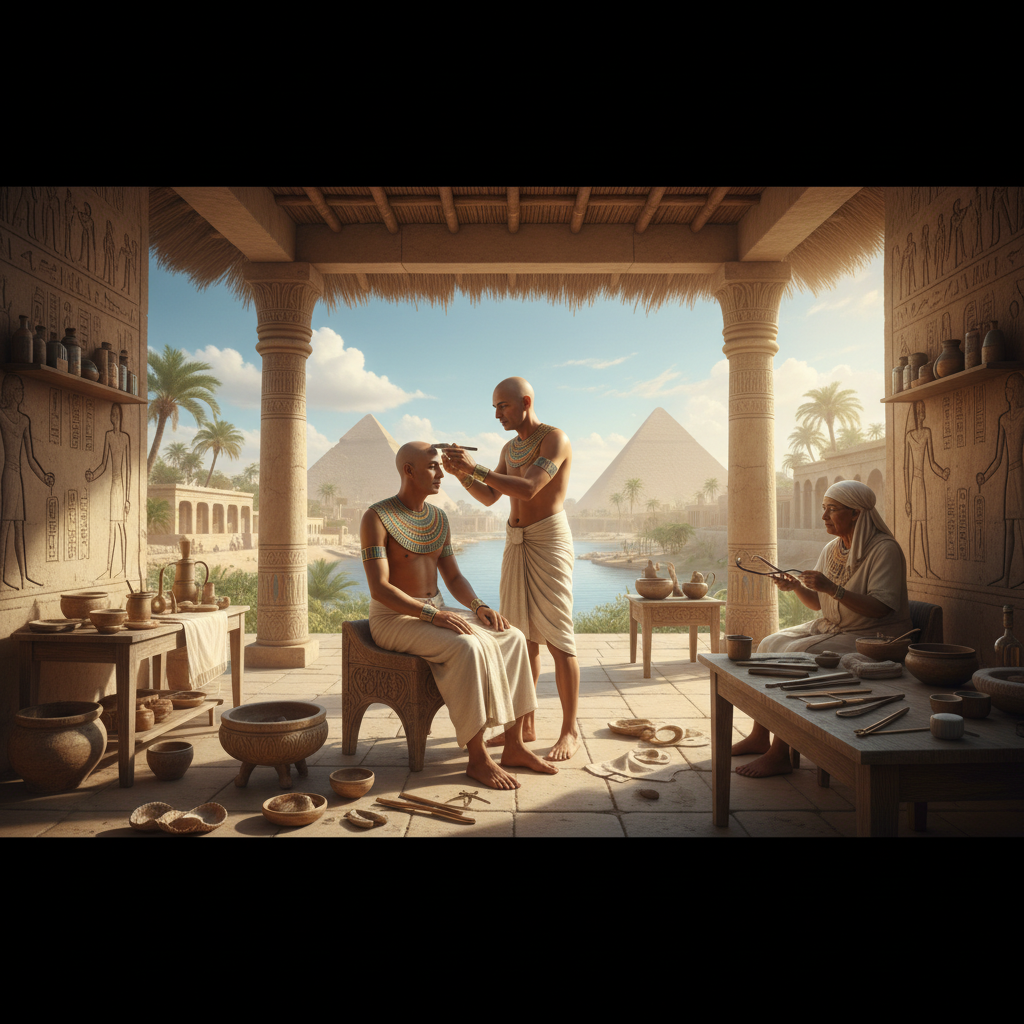
The origins of barbershops date back to ancient civilizations, where grooming held both practical and symbolic significance. In ancient Egypt, barbers were highly respected professionals and sometimes priests who performed intricate haircuts and beard styling as acts of cleanliness and religious ritual. Archeological evidence shows specialized tools made from flint and bronze, highlighting the sophistication of early grooming practices.
Simultaneously, in Mesopotamia and Greece, barbers fulfilled roles that went beyond mere hair trimming. They were often involved in medical procedures such as bloodletting, tooth extraction, and minor surgeries. The barber’s pole—now an iconic symbol—originated from this deep connection between barbering and medicine. The red and white stripes represent blood and bandages, a nod to the barber-surgeon tradition prevalent until the 18th century.
By the time of the Roman Empire, barbershops had become bustling social centers where men gathered to discuss politics, philosophy, and daily news. Barbers wielded tools both sharp and precise, tending to haircuts, shaves, and even facial grooming such as eyebrow shaping and head shaving for certain religious or social reasons.
Medieval Europe saw a decline in the status of barbers as medical professionals gradually separated from the trade. However, barber culture endured, with barbershops acting as informal community centers. The latter half of the medieval period witnessed the rise of barber guilds, which started regulating practices, ensuring skill standards, and protecting the trade’s reputation.
As European settlers established colonies in America, the barbershop tradition was transplanted and adapted to new cultural contexts. In colonial American towns, barbershops became vital community spaces where news was exchanged, and social hierarchies were observed. Unlike today’s private salons, these shops were open workplaces where men of various backgrounds mingled.
During the 18th and 19th centuries, barbershops increasingly specialized in “classic men’s grooming” services—haircuts, shaves with hot towels, and beard trims. Specialized shaving supplies, from straight razors to pomades, were introduced, enhancing the experience. The advent of industrialization led to the creation of more refined barber tools, pushing the craft toward new heights of precision.
The history of barbershops in America is inseparable from African American cultural heritage. During segregation, black-owned barbershops served as safe havens and centers of community leadership. These establishments were not only places for grooming but also venues for political organizing, mentorship, and artistic expression.
Many innovations in haircut styles and grooming techniques originated in black barbershops, influencing mainstream trends profoundly. The legacy of African American barbershop culture continues to thrive in cities like New York, enriching the fabric of modern grooming traditions.
New York City boasts a uniquely rich barbershop heritage shaped by waves of immigration, economic booms, and evolving fashion sensibilities. In the bustling boroughs, barbershops became landmarks where the city’s diverse voices and styles converged.
Historically, these urban barbershops acted as more than grooming venues. They functioned as informal job centers and debate halls. Personal anecdotes from veteran NYC barbers reveal a tradition of storytelling and mentorship that transcends cutting hair. This heritage is especially pronounced in neighborhoods like Harlem and the Lower East Side, where distinctive styles were cultivated.
The West Village stands out as an emblematic neighborhood for the evolution of barbershops, blending “classic men’s grooming” with modern sophistication and cultural inclusivity. This area’s barber history dates back to the 19th century when immigrant communities introduced European and Mediterranean styles.
Today, the West Village hosts a mix of vintage-inspired and contemporary barbershops where traditional barbering techniques meet creative innovation. This neighborhood retains the intimate, personal atmosphere that has always defined the best barbershops, while also setting trends for men’s grooming in an era of style-consciousness.
The resurgence of traditional barber culture in the West Village is part of a wider movement toward authentic and artisanal grooming experiences. Shops emphasize craftsmanship, from hand-straight razor shaves to scalp massages, blending old-school charm with modern hygiene and style.
Customer loyalty is built on more than skill alone; barbers here take pride in personalized consultations and creating a space where each visit is a ritual. This rejuvenation mirrors a broader cultural appreciation for classic men’s grooming that honors historical roots while embracing contemporary aesthetics.
The tools used by barbers have undergone significant evolution, reflecting changes in technology, hygiene, and fashion. Early craftsmen employed rudimentary blades, but by the 18th century, straight razors became standard. These precise instruments remain a hallmark of traditional barber culture, requiring expert skill and patience.
The 20th century introduced safety razors and electric clippers, broadening access to grooming services and enabling quicker haircuts. Yet, many barbershops dedicated to classic men’s grooming continue to offer straight razor shaves for their luxurious and thorough finish.
| Era | Notable Tools | Key Techniques |
|---|---|---|
| Ancient Times | Flint blades, bronze scissors | Hand-cut trims, face shaving |
| Medieval Europe | Straight razors, combs | Shaving, rudimentary bloodletting |
| 19th Century America | Straight razors, scissors, hot towels | Beard trimming, hot towel shaves |
| Modern Era | Electric clippers, safety razors | Clipper cuts, precise grooming |
Throughout history, barbershops have served as vital cultural institutions. They foster connections, pass down styles, and create spaces where identity and masculinity are explored and expressed. These shops also reflect the social dynamics of their times, from the political debates of Roman times to the social activism embedded in black barbershops of the 20th century.
Modern barbershops, especially those in historically rich neighborhoods like the West Village, continue this tradition. They balance nostalgia for traditional barber culture with contemporary inclusivity, offering more than haircuts—a sense of belonging and community.
Integral to the culture are the rituals and etiquette that elevate a barber visit from a mere service to a cherished experience. Greeting the barber, choosing a style, sharing stories, and receiving personalized grooming advice all form part of this social exchange. The use of hot towels, the precise ritual of a straight razor shave, and the quality grooming products underscore the barbershop as a sanctuary from everyday life.
The aesthetics promoted by barbershops have historically influenced what is considered classic men’s grooming. The neatly trimmed beard, the clean fade, and the slicked-back hairstyle all owe their popularity to barbers who crafted these looks with care and skill.
In the West Village, modern barbers embrace a blend of vintage and contemporary trends, contributing to an evolving definition of masculinity through appearance. Their work resonates beyond mere style, symbolizing confidence, professionalism, and self-care.
Having visited countless barbershops over the years, I can attest to the unique atmosphere each one imbues. From the comforting hum of clippers to the ritualistic tone set by steam towels, the experience goes beyond aesthetics. It is about trust, storytelling, and the simple human connection that a traditional barbershop fosters.
In NYC’s West Village, barbershops combine history with modernity in compelling ways. They serve as reminders that grooming is not merely functional but also an art form enriched by decades and centuries of heritage, culture, and shared experience.
Keep reading